Frankie Fischer · 31 October 2026
Uncovering the quiet influence of micro-tidal variations on heirloom vegetable plots tucked behind old pier pilings in sheltered inlet hamlets
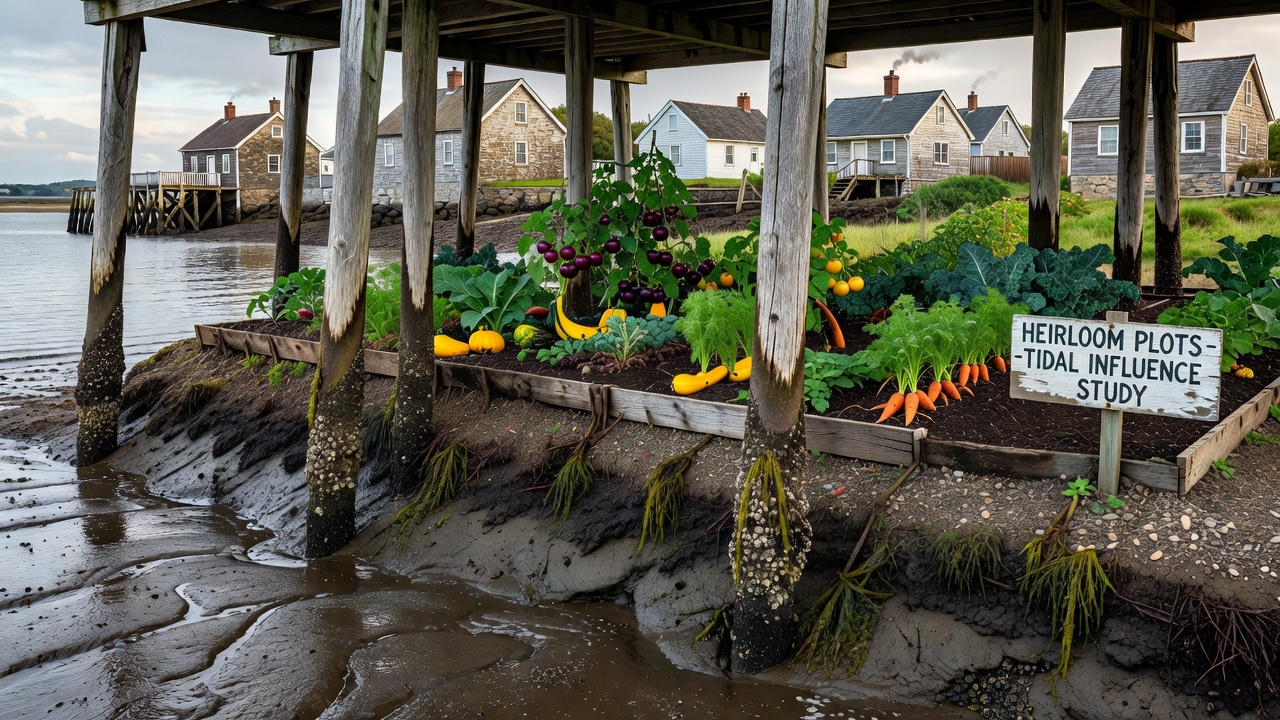
Researchers tracking coastal micro-tidal patterns have documented how small fluctuations in water levels shape growing conditions for heirloom vegetable plots positioned behind aging pier pilings in sheltered inlet hamlets, and these variations often create distinct moisture and salinity zones that differ from broader tidal zones found along open shorelines.
Studies of inlet systems show that micro-tides, which range from just a few centimeters to under twenty in protected waters, interact with pilings to form localized barriers that slow water movement while allowing gradual seepage into adjacent soils, and this process influences root zones for crops such as salt-tolerant tomatoes, beans, and leafy greens passed down through generations in these communities.
How micro-tides interact with pier structures
Observers note that old pier pilings, often constructed from timber or concrete decades ago, create micro-environments where water pools briefly during high micro-tide phases before receding, and this cycle delivers consistent but minimal hydration to plots located immediately inland from the structures.
Data collected through continuous monitoring stations reveal that salinity levels in these soils fluctuate less dramatically than in exposed coastal areas, because the pilings reduce wave energy and allow fine sediment to settle, which in turn helps retain nutrients essential for heirloom plant varieties adapted to brackish conditions over time.
Effects on soil moisture and crop performance
Evidence from field measurements indicates that micro-tidal cycles contribute to layered soil profiles in which upper horizons stay drier during neap periods while deeper layers retain moisture longer, and farmers in these hamlets have adjusted planting depths accordingly to match the observed patterns.
Records from regional agricultural extensions document cases where heirloom squash and pepper plants behind pilings showed steadier growth during October 2026 compared with plots farther inland, as the subtle tidal inputs offset dry spells without introducing excess salt that can damage sensitive root systems.
Regional monitoring and data collection efforts
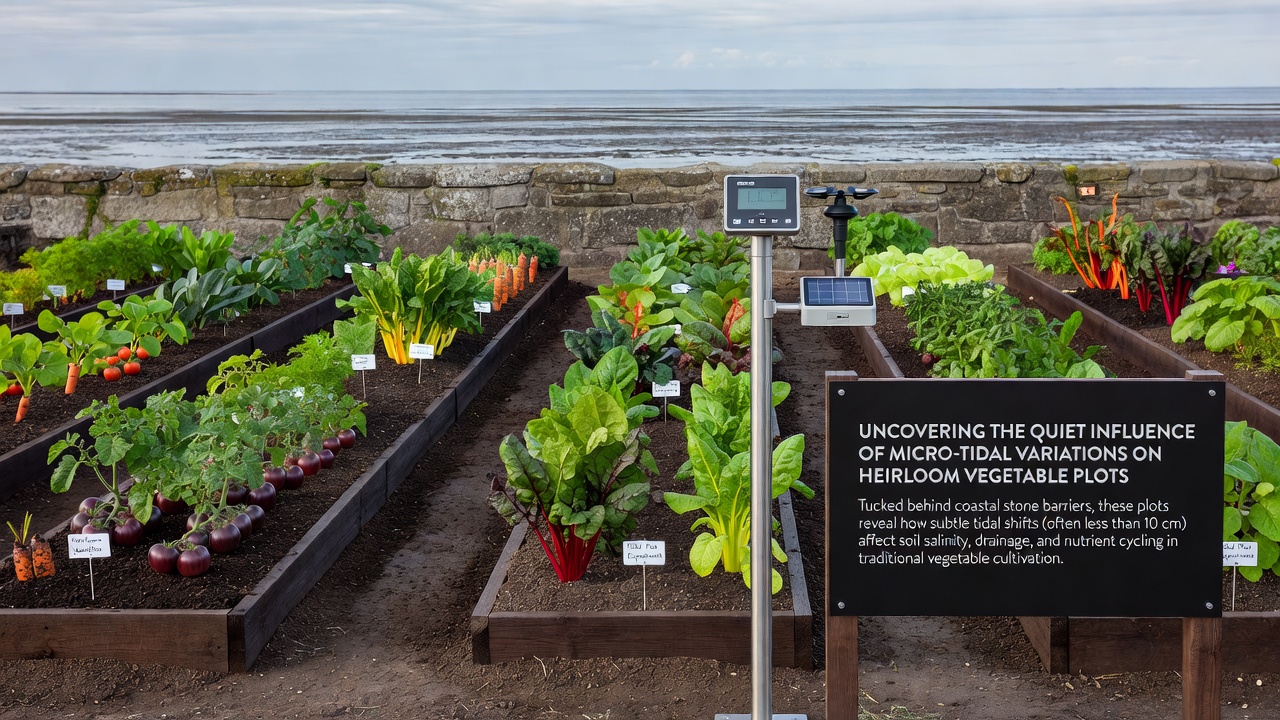
Programs coordinated by agencies such as NOAA's tide and current network supply baseline micro-tide readings that local researchers combine with soil sensors placed in inlet hamlets, and these combined datasets help map how piling placement correlates with crop resilience across multiple seasons.
Additional work by institutions including the Commonwealth Scientific and Industrial Research Organisation in Australia examines similar sheltered inlet systems, where comparable micro-tidal influences affect traditional vegetable plots protected by historic waterfront infrastructure.
Adaptations observed in heirloom cultivation
Those who maintain these plots often select varieties with proven tolerance to variable salinity, and records show that certain bean and greens strains perform best when positioned where piling shadows moderate evaporation rates during low micro-tide intervals.
Community mapping projects have identified clusters of successful plots located within two to five meters of pilings, where the combination of reduced wind exposure and periodic moisture replenishment supports consistent yields despite the narrow tidal range typical of sheltered inlets.
Conclusion
Long-term observations confirm that micro-tidal variations exert measurable effects on soil dynamics and plant performance in heirloom vegetable plots tucked behind old pier pilings, and ongoing data collection through established monitoring networks continues to refine understanding of these interactions in inlet hamlets worldwide.